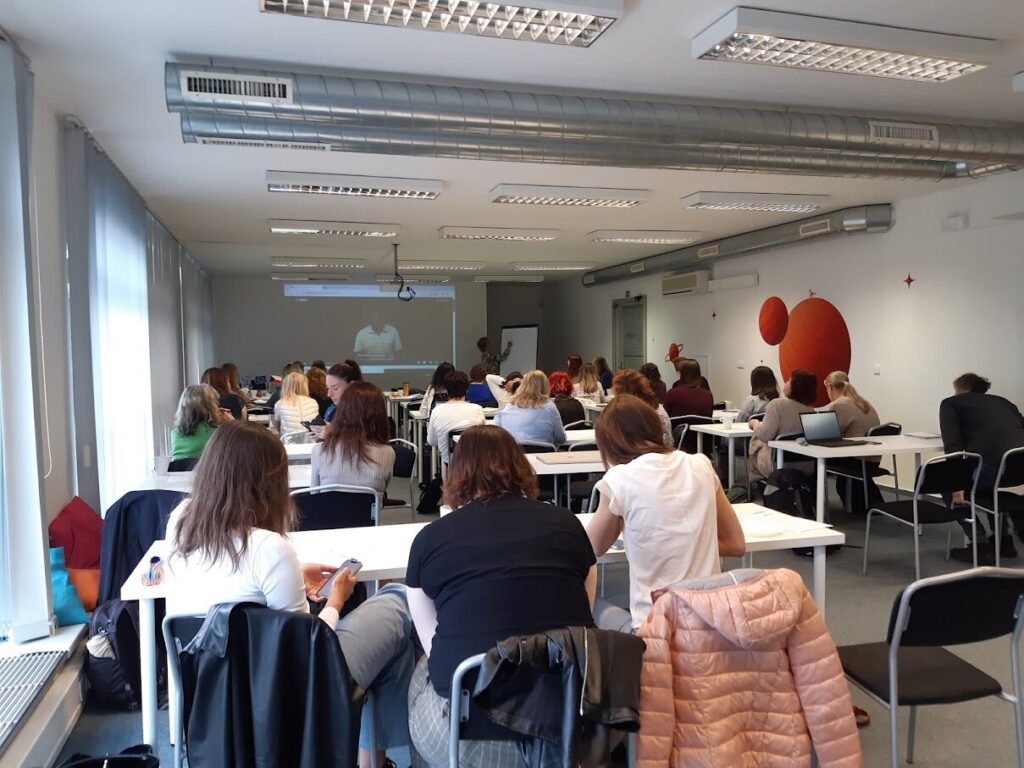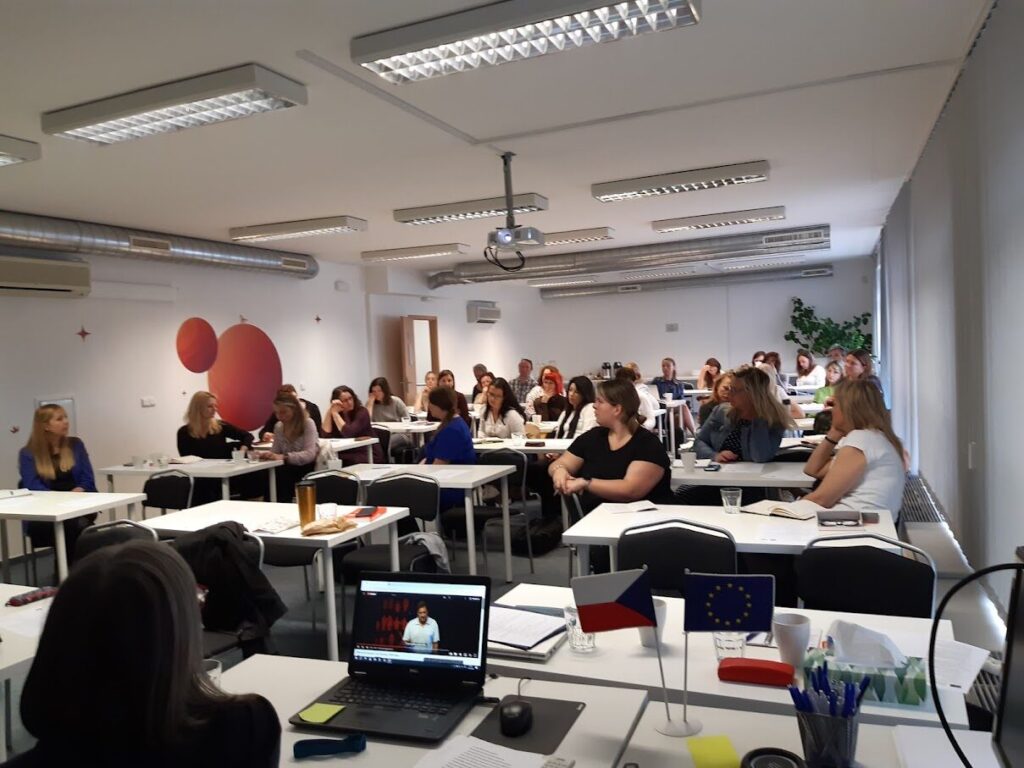
The Day for Career Guidance, organized by the Czech Association for Career Guidance and Career Development, is an annual event where counsellors explore new tools, share practices, and network to strengthen professional practice.
Target group:
Career guidance counsellors regardless of their target group and the institution in which they provide their career guidance services.
Duration and frequency:
One full day, organized yearly
Description:
The goal of the “Day for Career Guidance ” is to familiarize participants with new products, tools and methodology used in career guidance and to inspire them to use them in their practice. There is also room for discussions as well as activities that encouraged collaboration and networking of career guidance counsellors and sharing best practices. In May 2025, the third event of this type will be held, which SKPKR wants to have as its regular annual contribution to the popularization and professionalization of career guidance. The results and materials are published afterward for broader dissemination and follow-up engagement. The event has become a yearly contribution of SKPKR to the professionalization and popularization of career guidance in the Czech Republic.
Implementation steps:
1. Call for Contributions: This is mostly done informally by contacting members, partners and national initiatives and inviting them to prepare a presentation/workshop. This is done well ahead (2-3 months before).
2. Program Design: Structure the program around themes relevant to career guidance practice (e.g., digital tools, inclusivity, sustainability, diagnostics) and include a mix of short presentations, interactive workshops, panel discussions, Q&A time
3. Promotion: The agenda are shared in advance on the website, social networks and partners (Euroguidance).
4. Engagement during the Event: It is important to try to include interactive elements (real-time polls and Q&A tools, short group reflection tasks after sessions, networking spaces: breaks and thematic “coffee tables” to connect participants with shared interests).
5. Feedback and Reflection: Distribute a standardized feedback questionnaire at the end (digital or paper), collecting ratings on content relevance, speakers, organization, open-ended suggestions for future events, what tools or ideas they will try in their practice. This data is used to refine next year’s event.
6. Publish post-event outputs: Upload all slides, materials and, if possible, recordings (with author permission) on your website or a shared repository. This increases impact and allows participants to revisit content.
7. Follow-up engagement: this is done through a mailing list – after the event, send participants (and interested non-attendees) the materials, highlights and a summary of feedback trends.
Examples of topics covered in previous years:
- transformations of work and labour markets (e.g. changes in the world of work, precarity, hidden sides of contemporary labour markets, access to guidance for employees in key sectors).
- sustainability and ethical guidance (e.g. sustainability in career guidance, career education for a sustainable future, integration of sustainability into curricula).
- digital and methodological innovation (e.g. virtual reality and games in guidance, digital diagnostics, e-learning platforms, digital portfolios)
- the quality of diagnostics and self-knowledge tools (e.g. critical discussion of assessment validity, coaching cards, self-regulated learning).
- inclusion, bias and equal opportunities (e.g. gender stereotypes, guidance without prejudice, working with parents, career education for younger pupils, accessibility of guidance for adults),
- system-level development of career guidance (e.g. Euroguidance and national support systems, professional networks, university programmes in career guidance, regional centres, methodological handbooks and ready-to-use tools).
Necessary conditions:
The event is organized as financially self-sufficient, i.e. participants pay a small participation fee, which covers rental and refreshments. Tutors usually do not get paid because they are actually promoting their own products. If this were to change, the event budget would be adjusted accordingly.
Photos, videos, further resources:
https://rozvojkariery.cz/akce-02/